Divided Into Four Sections
The Arabic for NGO Workers program consists of a total of 10 hours of specialized private lessons. It can be taken either in Levantine Dialect or Modern Standard Arabic. When taught in Levantine Dialect, any technical words will be in Modern Standard Arabic.
At the end of the course, you'll be equipped with the essential knowledge that will allow you to discuss all of the pressing topics that humanitarian organizations deal with on a daily basis. This program will tackle gender based violence, war crimes, child exploitation and so much more.

Gender Based Violence
This topic introduces students to the key concepts and vocabulary related to gender-based violence, its causes, and its social and psychological consequences. Through interactive discussions and authentic materials, students will explore how power dynamics and cultural norms shape such violence, as well as the role of the legal framework in protecting victims. The course encourages reflection on prevention strategies and respectful communication, helping students express themselves clearly and sensitively in Arabic when addressing issues of gender-based violence.

Child Protection Policies
This topic aims to familiarize students with Arabic terminology and concepts related to child protection within humanitarian and legal contexts. Students will learn about international conventions, legal frameworks, and mechanisms for preventing and responding to child abuse. Case studies and simulations will help students practice discussing collaboration among key stakeholders—such as government institutions, NGOs, and community organizations—while developing their ability to analyze, report, and communicate effectively and ethically in Arabic on child protection matters.
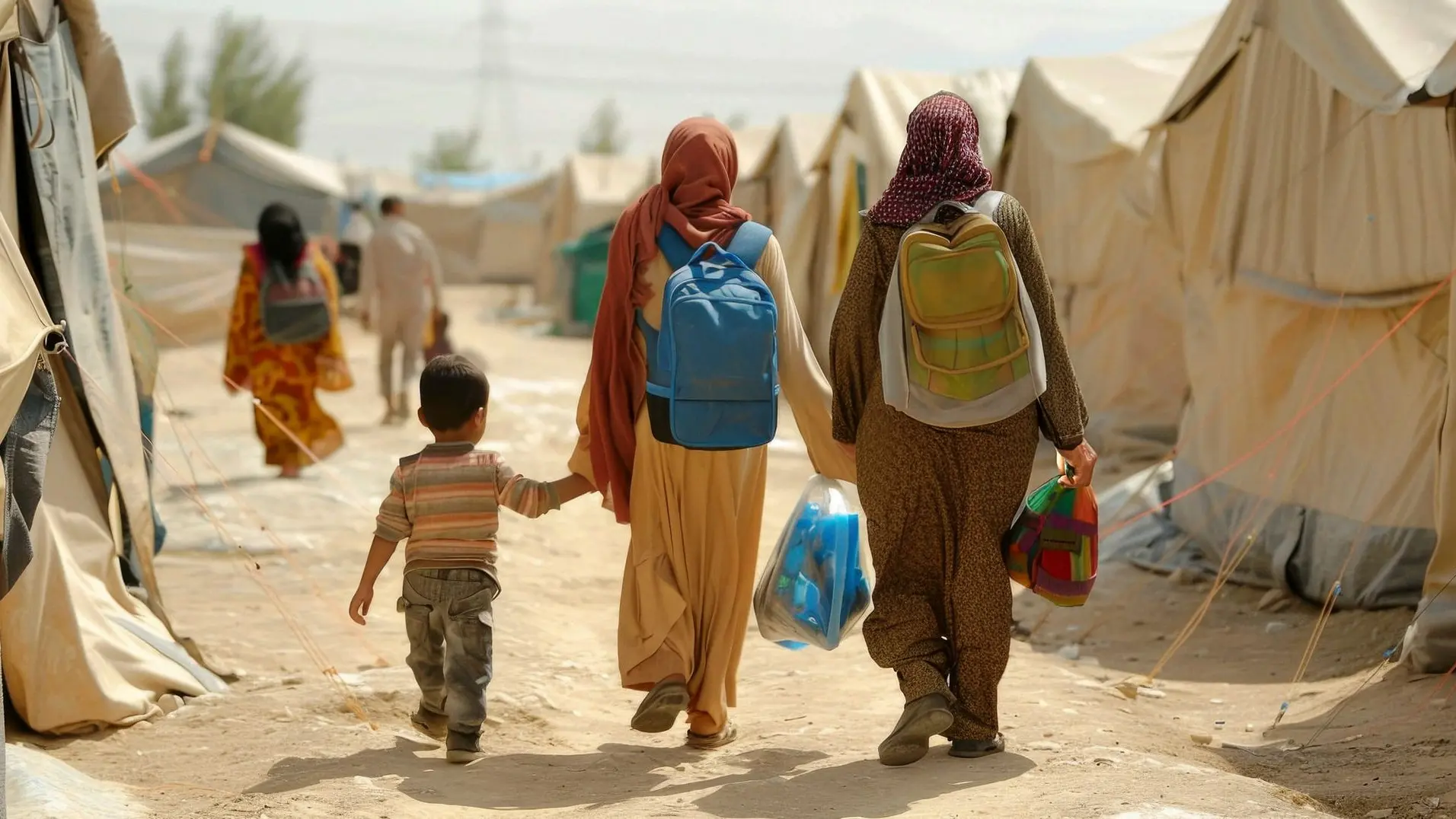
Refugee Rights and Protection Under International Law
This topic helps students deepen their understanding of refugee rights while strengthening their Arabic language skills. Through reading and discussion, students will engage with topics such as the causes of displacement, types of asylum, and international agreements that safeguard refugees. The course also examines the daily challenges refugees face in host societies, including discrimination, access to services, and mobility restrictions. Students will build specialized vocabulary and practice expressing complex ideas in Arabic within humanitarian and legal contexts.

War Crimes and Key Principles of International Humanitarian Law
This topic introduces students to essential concepts and Arabic terminology related to International Humanitarian Law. Students will explore themes such as the protection of civilians during armed conflicts, the Geneva Conventions, and the principles of neutrality and proportionality. Through simplified yet substantive texts, debates, and case analyses, participants will learn to discuss and evaluate humanitarian issues in Arabic while gaining insight into how international law seeks to limit the effects of war and uphold human dignity.
Start Your Learning Journey
A level of A2 in Modern Standard Arabic / Levantine Dialect is required to participate in this program.
Payment needs to be paid in full in order to register for the course.
30$ / Hour → One payment of 300$